50+ orbital locations
Each stage sits in a real place on the station, and the places get worse.
Space puzzle game
Station Zero G was built to hold gravity still. It does not any more. Fifty-plus orbital labs, a thousand chambers, and one maintenance robot working its way to the core.
Gravity Station is set on one station, and you move through it. The early chambers are clean labs near the ring's inner hull: bright, orderly, forgiving. By stage three hundred you are in a collider bay with debris drifting through the grid. By the end you are in the core itself, where the fault started.
Over fifty distinct backdrops carry that progression — Europa drill decks, a nebula greenhouse, the Saturn shipyard, a magnetar vault, a white-hole observatory, the zero-G medbay. They are not wallpaper: the location tells you roughly how far the station has degraded and how mean the chamber is about to be.
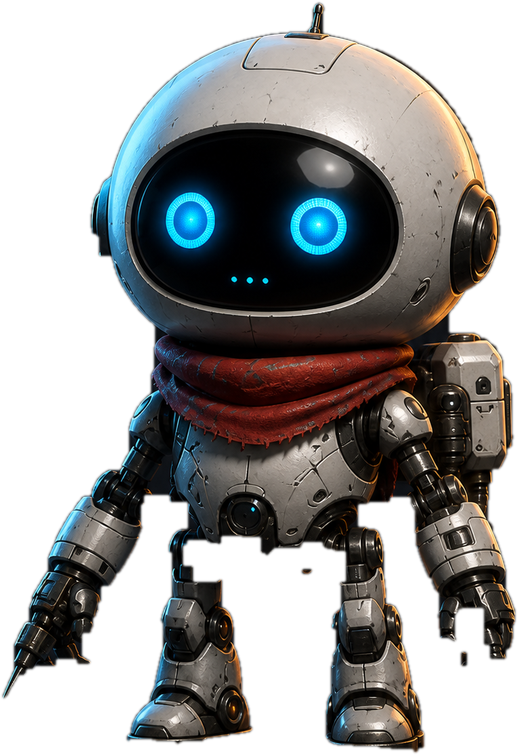
The station is run by small maintenance robots: hull crew, cargo units, science units, security units. The five-minute animated short follows one of them, B-17, through the core failure and into the last chamber. The game is the mechanic that short ends on.
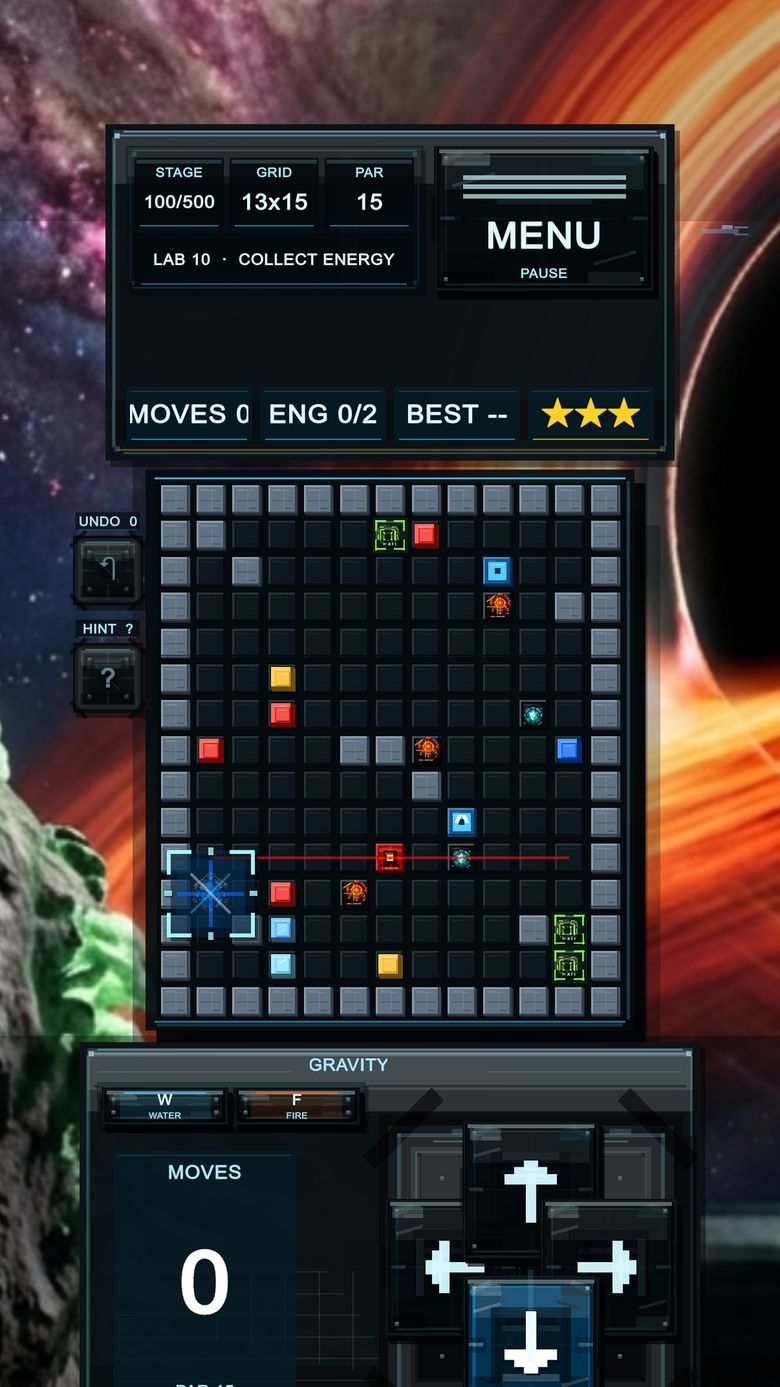
Each stage sits in a real place on the station, and the places get worse.
A five-minute animated short shares the setting, the cast and the mechanic.
Lasers, wormholes, black holes and loose station debris.
Gravity console
You never drag a piece. Pick a direction and everything loose slides that way until something stops it. Park the Gravitron and the energy core on the two mounts.
 Gravitron
 Energy core
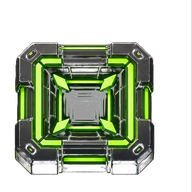 Mount
Debris
Hull
Mount
Debris
Hull
Solvable in seven moves. The game ships with a thousand chambers built on this one rule — and arrow keys work here too.
Launch window
Gravity Station is free, offline and ad-free — out now on the App Store for iPhone and iPad, and on Google Play for Android.